

Â
Innovation Meets Nature: How Technology is Transforming Conservation
In an era of rapid technological advancement, the field of conservation has embraced innovation to address pressing challenges. From combating poaching to restoring ecosystems and mitigating human-wildlife conflicts, technology has become a vital tool in protecting our planet’s biodiversity. Africa Wildlife Services is at the forefront of this movement, leveraging drones, artificial intelligence (AI), and big data to revolutionize conservation efforts.
The Role of Technology in Conservation
Conservation efforts often face challenges like resource limitations, vast geographical coverage, and the complexity of ecological systems. Technology helps bridge these gaps by providing:
- Efficiency: Tools like drones and AI analyze and monitor vast areas faster than traditional methods.
- Accuracy: Big data enables data-driven decisions that improve the effectiveness of conservation strategies.
- Scalability: Technological solutions can be adapted to various landscapes and ecosystems, making them invaluable across Africa.
Drones: Eyes in the Sky
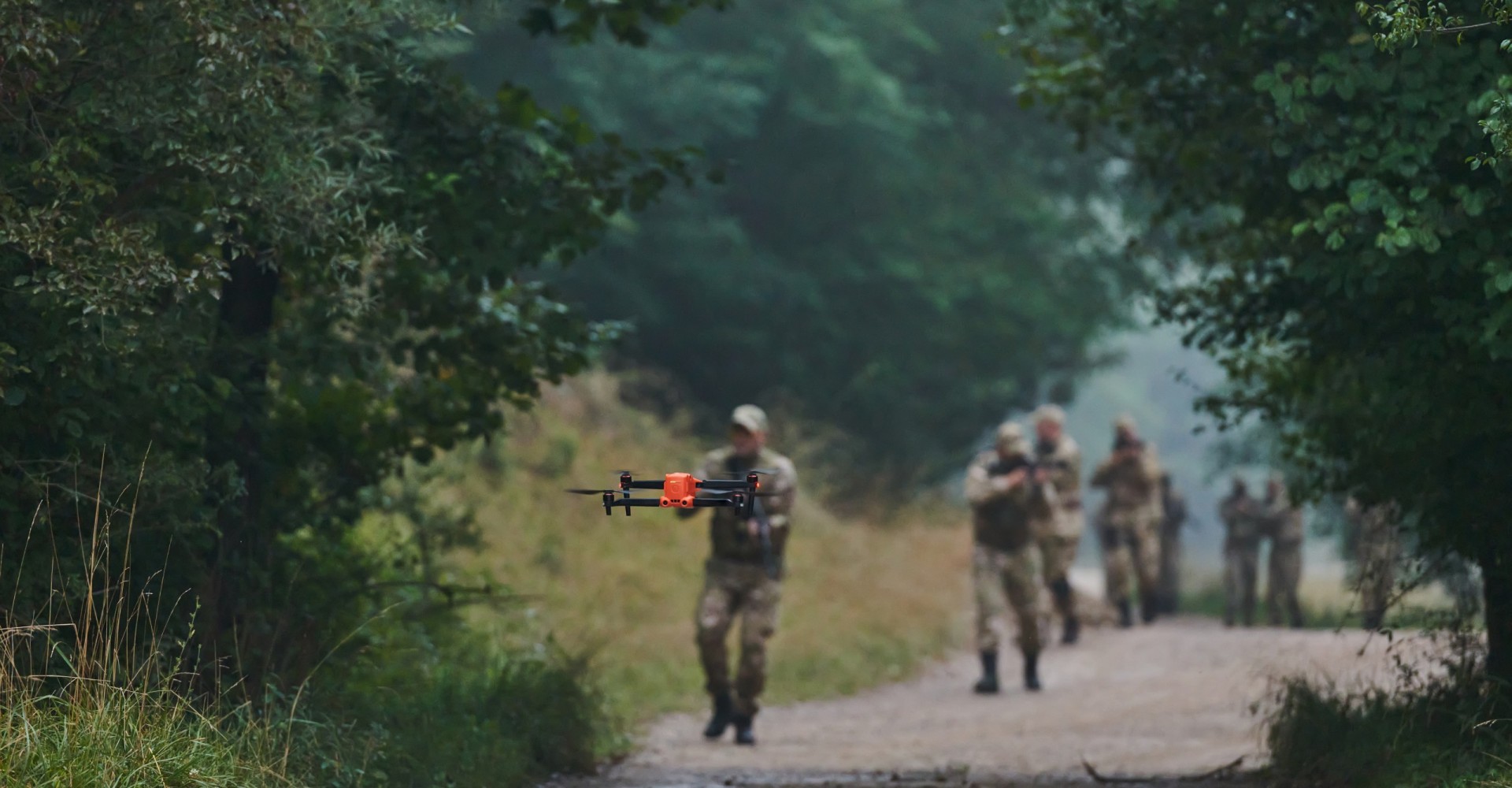
Drones have transformed the way conservationists monitor wildlife and ecosystems. Equipped with high-resolution cameras and sensors, drones provide real-time data on wildlife behavior, habitat conditions, and human activities.
Key Applications of Drones in Conservation
Anti-Poaching Surveillance
- Drones patrol protected areas, especially at night, to detect and deter poachers. Infrared cameras identify human activity, alerting rangers to potential threats.
- Example: Africa Wildlife Services uses drones to monitor vulnerable species like rhinos and elephants in remote areas.
Wildlife Monitoring
- Drones capture aerial images of herds, migration patterns, and population counts, minimizing human disturbance to wildlife.
- For example, monitoring bird colonies or marine species in inaccessible areas.
Habitat Mapping
- Drones create detailed maps of forests, wetlands, and savannahs, helping conservationists track changes in land use or habitat degradation.
Artificial Intelligence: Smart Solutions for Conservation
AI empowers conservationists by analyzing vast amounts of data to identify patterns, predict outcomes, and optimize resource allocation.
Applications of AI in Conservation
Poaching Prevention
- AI-powered surveillance systems analyze images and videos from camera traps, drones, and satellites to detect illegal activities in real time.
- Predictive algorithms identify high-risk areas for poaching, enabling rangers to act proactively.
Species Identification
- AI models classify species from photos or audio recordings, aiding biodiversity surveys.
- For example, AI can differentiate between calls of various bird species or identify animals in camera-trap footage.
Human-Wildlife Conflict Mitigation
- AI predicts wildlife movements based on environmental data, enabling communities to prepare for potential conflicts.
Big Data: Insights for a Sustainable Future
Big data is the backbone of modern conservation, offering insights that were previously unimaginable. By aggregating and analyzing data from multiple sources, conservationists gain a deeper understanding of ecosystems and species dynamics.
How Big Data is Transforming Conservation
Ecosystem Management
- Satellite data, combined with ground observations, tracks changes in ecosystems, such as deforestation or desertification. This information informs policies and restoration efforts.
Wildlife Population Studies
- Data from drones, camera traps, and tracking collars is integrated to estimate wildlife populations and study their behavior.
Climate Change Mitigation
- Big data helps predict the impacts of climate change on habitats and species, guiding conservation strategies to build resilience.
Case Studies: Technology in Action
1. Anti-Poaching with Drones and AI
In regions with high poaching activity, Africa Wildlife Services employs drones equipped with thermal imaging cameras and AI algorithms. These drones identify unauthorized activity, sending alerts to rangers in real time. This approach has significantly reduced poaching incidents in key areas.
2. Big Data for Elephant Corridors
By analyzing GPS collar data from elephants, combined with satellite imagery, Africa Wildlife Services identified and established critical wildlife corridors. This ensured safe migration routes while reducing human-wildlife conflict.
3. Coral Reef Restoration
In marine conservation efforts, underwater drones map coral reefs, and AI models assess reef health. The data guides restoration projects, ensuring targeted and efficient interventions.
Challenges and the Road Ahead
While technology offers incredible potential, challenges remain:
- Cost: High-tech equipment and software require significant investment.
- Technical Expertise: Implementing and maintaining technology demands skilled personnel.
- Ethical Concerns: Ensuring that technology respects wildlife and community privacy is critical.
To address these challenges, Africa Wildlife Services focuses on building partnerships with tech companies, training local communities, and adopting scalable, sustainable solutions.
Conclusion
Technology is revolutionizing conservation, offering hope in the face of mounting environmental challenges. By integrating drones, AI, and big data into its initiatives, Africa Wildlife Services is not only protecting Africa’s wildlife but also setting a global example of innovation-driven conservation.
As technology continues to evolve, so does the potential to create a future where nature and humanity coexist harmoniously. Join us in this journey—because protecting our planet’s biodiversity is a mission that needs everyone’s support.
Call to Action:
“Support our tech-driven conservation efforts. Donate today or become a partner in innovation for nature!”